
July 07 : 2025
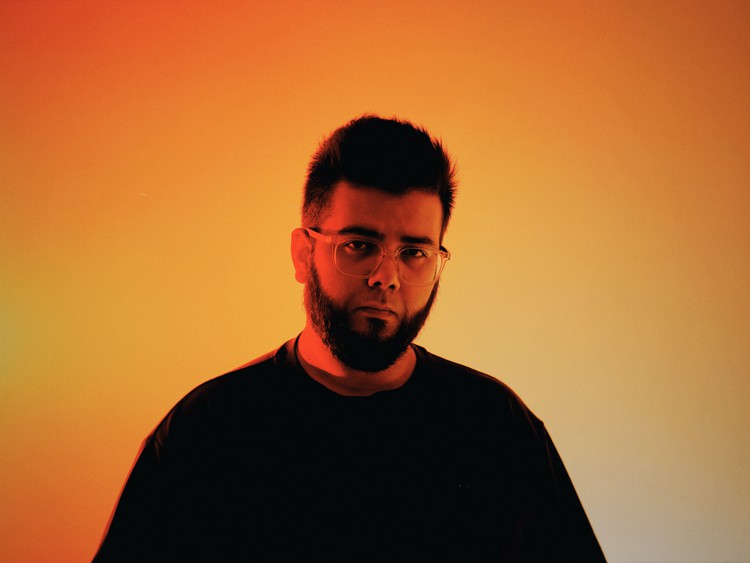
Mohammed Alim
Self-expression, community, and empathy unite in Alim's outstanding, first-place-winning image, with a uniqueness, flair, and eye for composition and color that's entirely the photographer's own.
by Lily Fierman

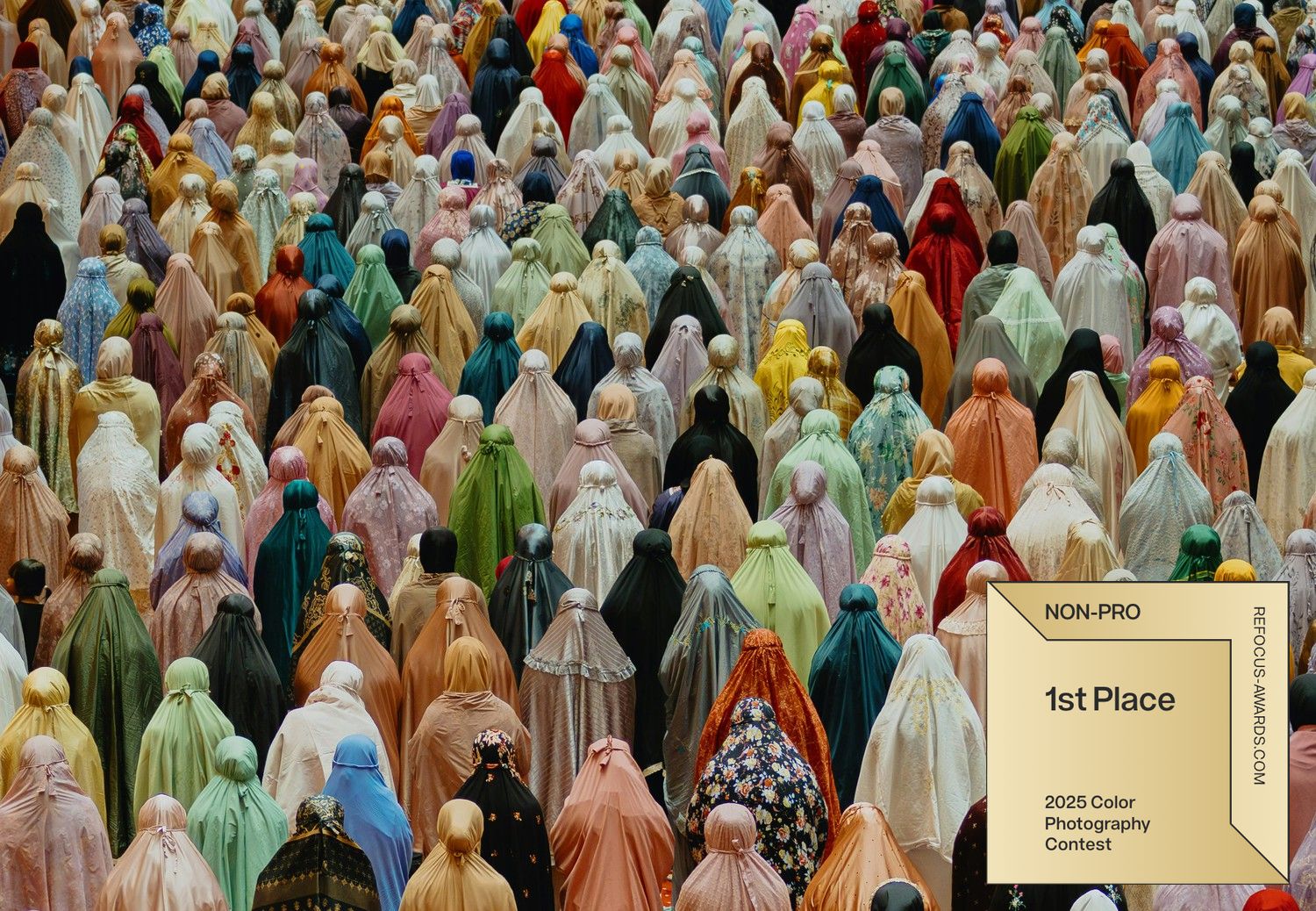
Image: Colors of Devotion
Q:
Can you please tell us more about creating your winning image, “Colors of Devotion”?
A:
The photo is part of a larger series I took at the start of Ramadan, the holy month for Muslims, in Indonesia. The series centers on Masjid Istiqlal, Southeast Asia's biggest mosque, and how the space comes alive when filled with people. "Colors of Devotion" was captured during the evening prayer at the beginning of Ramadan. I was struck by the size of the gathering and the community's energy using the space. I shot the image from the first floor of the mosque to highlight the patterns formed by worshippers, the diversity in their clothing, and their shared purpose. To me, it shows how the mosque becomes more than just a building when it's used as it was meant to be by the people it was built for.
Color is part of that story because it shows how spaces feel when they are lived in.
Q:
The colors in this image, as is true of all of your work, are so rich and significant. How did you arrive at this style?
A:
Color plays an important role in how I see and photograph the world. In Southeast Asia, color is part of daily life, whether in architecture, clothing, or rituals. I try to capture color as it appears in these real contexts because it says something about culture, identity, and place. My approach has developed through paying attention to these details rather than trying to create a style for its own sake. I want the colors in my images to feel natural and connected to the scene.
Q:
This image definitely reveals a sense of shared humanity, in that so many of us take pride in our style or self expression. What do you wish others would take away from looking at this photo?
A:
I hope people see how diversity and togetherness can exist side by side. Each person in this photo brings their own identity, in color, pattern, or fabric, but together they form a collective act of devotion. This is what I try to reflect in my architectural photography too. I am drawn to showing not just the buildings, but how they are used and how people give them meaning.
Q:
I see you work primarily in color. What does color photography mean to you? Why photograph versus any other medium of expression?
A:
Color photography helps me document the world as I experience it. It is layered, vibrant, and full of life. I am especially drawn to architecture, but I am not interested in showing buildings as clean, untouched forms. I try to reflect how spaces are actually used, how people gather, move through them, and make them their own. Color is part of that story because it shows how spaces feel when they are lived in. Photography allows me to capture these moments in an honest and direct way.
Q:
What are you working on next?
A:
I am focusing on photographing Islamic architecture and community spaces across Southeast Asia, with a particular focus on Indonesia. My aim is to show how these spaces reflect both faith and culture, and how they continue to serve as active, lived-in places for the communities they were built for. This is a perspective that has not been explored in a focused and consistent way before, and I am proud to be one of the first to take it on. Indonesia’s architectural diversity, shaped by many cultural influences, is especially striking in large communal spaces like mosques. Capturing how these spaces are used has been a real eye-opener and something I am committed to exploring further. I am working on creating photo sets that each focus on specific elements such as patterns, domes, minarets, and the colors that define these mosques.


Q:
Who are some of the photographers you admire?
A:
I am quite new to photography, so I am still exploring the work of other photographers and identifying what resonates with me. At the moment I am most inspired by the places I visit and the interactions I observe between people and the spaces they use. As I continue to learn, I am looking forward to studying more photographers’ work and developing my own perspective further.
Regarding the making of the image, I can share a bit about the technical side as well. I had purposely chosen not to bring a telephoto lens because I work best with limits and constraints. I wanted to challenge myself to focus on capturing images that I could crop later since this was also when I had just purchased a 100-megapixel medium format camera, and I was interested in testing the cropping capability of the sensor.
ARTIST