


June 17 : 2025
Asok Sengupta
Seeing an image like Asok's reveals the diversity of the human experience. Captured with dignity, care, and precision, portraits like these leave their mark on the viewer.
by Lily Fierman

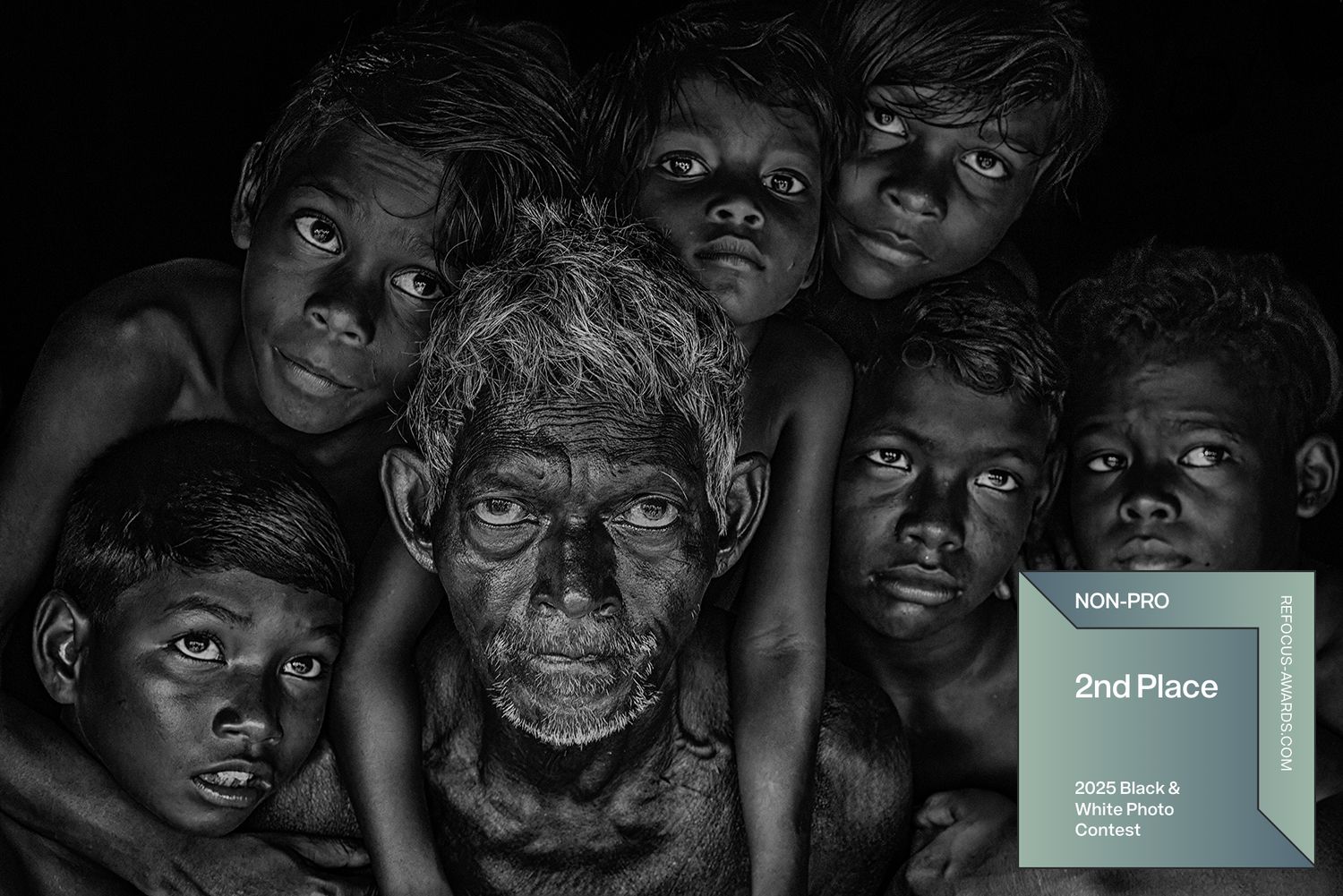
Image: The Ageless Portrait
Q:
Can you please tell us more about creating your winning image, “AGELESS PORTRAIT”?
A:
"The Ageless Portrait" was conceived in my mind a couple of years ago while I was looking at black-and-white portraits of tribal communities in India. The tribal people are incredibly distinct in their physical features, languages, food, and cultural practices. But what captivated me most was their deep social bonds.
The raw simplicity of their lives, the strength of their intergenerational bonds, and the boldness of their characters are best expressed through the subtle interplay of blacks, whites, and grays.

Q:
In your bio you mention you’re a doctor. Do you think this contributes to your sensitivities as a photographer?
A:
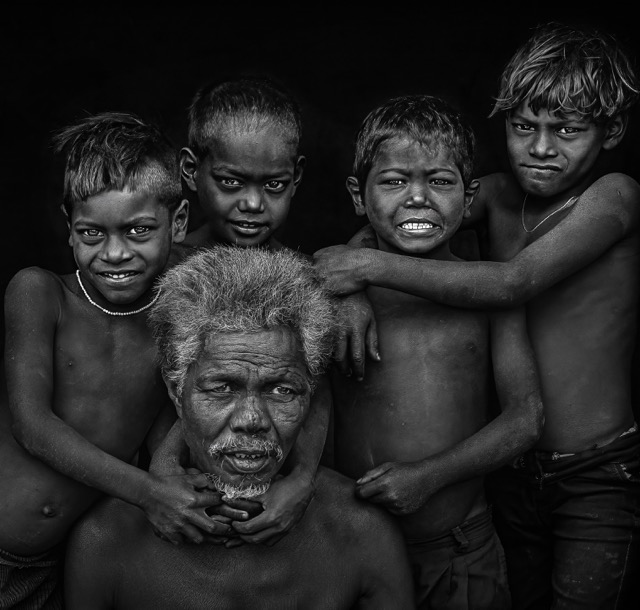
In particular, I was drawn to the reverence shown toward the village elder — a figure of care, wisdom, and quiet leadership. One day, I witnessed an elder telling a folklore story to a group of children, who listened with rapt attention. It was a beautiful, timeless moment, and I felt a deep urge to capture this enduring tradition of storytelling through my lens.
Q:
How well do you know the people in this photograph? How did you get to know them?
A:
As a doctor, I’ve been granted a unique privilege — a license, so to speak — to explore the depths of the human mind and soul. Our training fosters empathy toward all forms of life, not just fellow human beings. We accompany people through every stage of existence, from the first cry at birth to the silence of death — the two eternal constants. With such exposure, doctors often develop a ‘third eye’ — a deeper sensitivity that helps us see and capture moments that others may overlook.
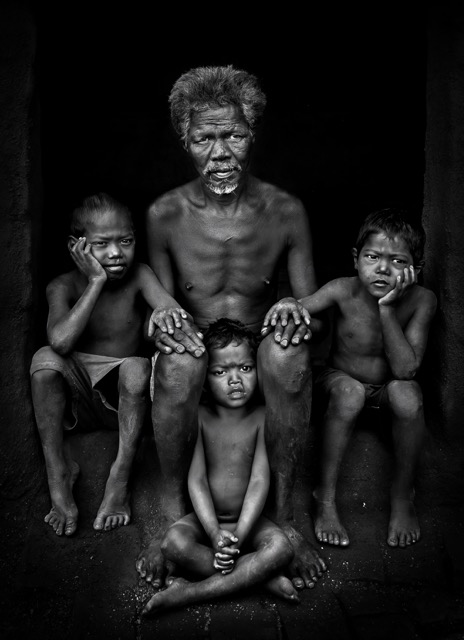
The people in this photograph belong to the Shabor tribe, native to the eastern regions of India. They are spread across a few districts, and I’ve come to know their way of life, their dietary habits, and the intricacies of their social structures. I was introduced to them by a couple of photographer friends, and since then, they have left a lasting impression on me.

Q:
Why is black and white important in your images?
A:
This photograph, I believe, must exist only in black and white. The raw simplicity of their lives, the strength of their intergenerational bonds, and the boldness of their characters are best expressed through the subtle interplay of blacks, whites, and grays.
Q:
Who are some of the photographers you admire?
A:
I draw inspiration from masters like Ansel Adams, Tatsuo Suzuki, and Henri Cartier-Bresson — artists who knew how to find truth in fleeting moments.
ARTIST
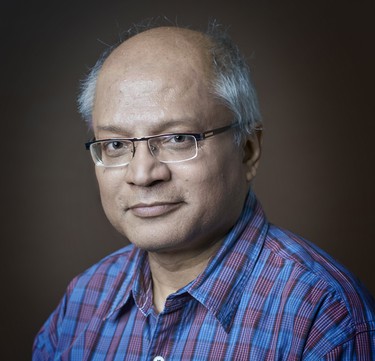
Asok Sengupta
Location:
India
